Role: Program Management & Cross-Functional Coordination
Technologies: .NET · SQL Server · Xbox API · OCR · Artificial Intelligence
Around 2012–2015, I identified that in other markets, DLC redemption (extra game content, such as exclusive cars and soundtracks in launches like Forza) was driving a direct increase in revenue — digital content acted as a purchase incentive for the physical product. In Brazil, this practice didn’t exist, because Xbox products and Microsoft hardware arrived already sealed through international distribution, making it operationally unviable to open packaging, insert a code, and reseal at scale.
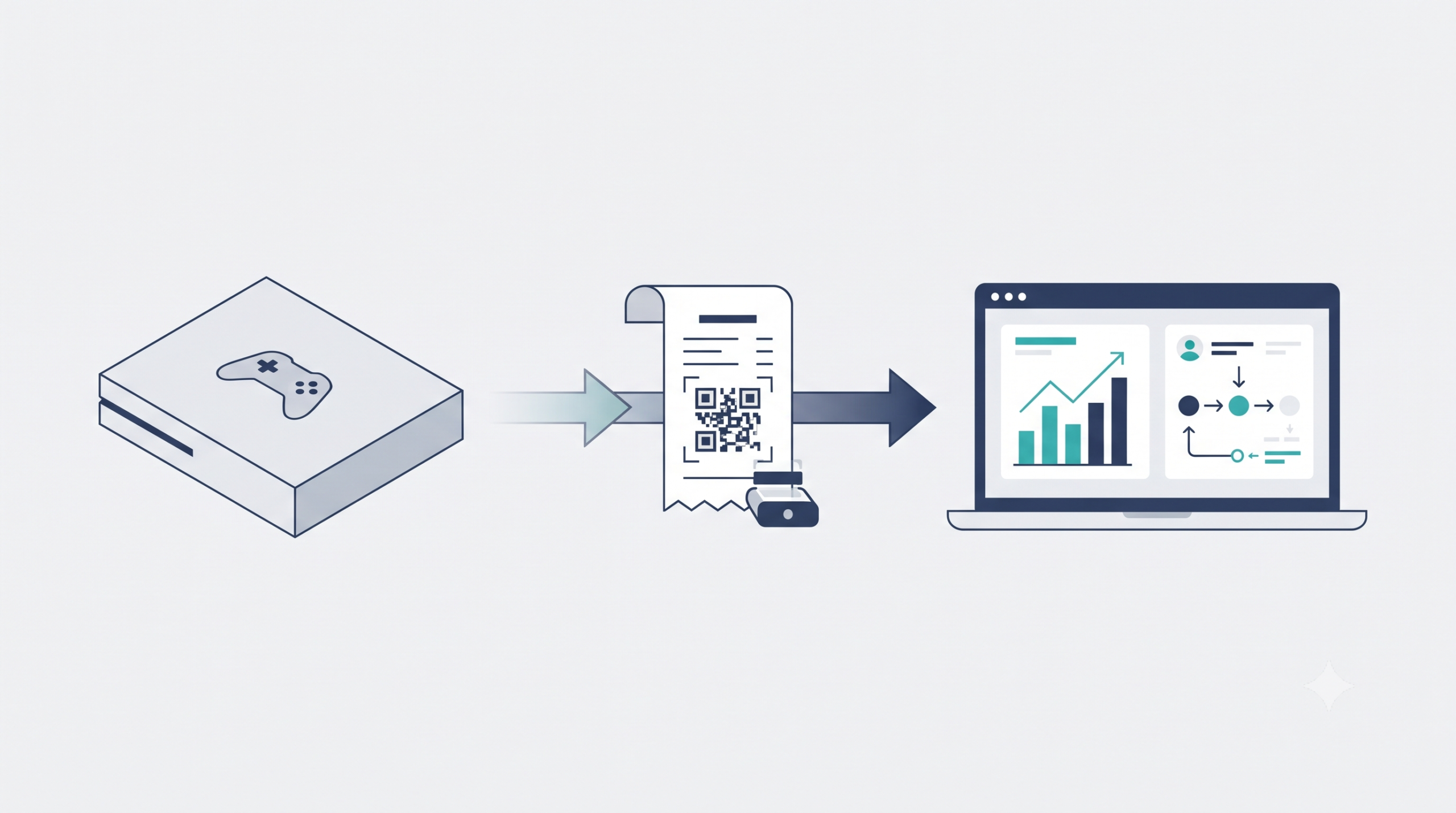
I conceived and led the creation of a fully digital redemption program to solve this gap without relying on the physical supply chain: customers submitted their purchase receipt or invoice, and a system built in .NET with a SQL Server database, integrated directly with the Xbox API, used OCR and barcode/QR code recognition to automatically validate the purchase, link it to the customer’s Xbox account, and generate the corresponding DLC code. We were already applying Artificial Intelligence to the process — years before the topic gained mainstream traction — both for document recognition and antifraud validation. Second-hand products were excluded by design, preserving the integrity of the program.
I acted as the central management point for the project, coordinating development, art, product, and process teams, alongside direct interlocution with security, privacy, and commercial partner teams. Validation started with a one-week pilot across selected retailers, ahead of a national rollout to Brazil’s major retail networks — Amazon, Americanas, Submarino, and Mercado Livre, among others. The entire flow fed real-time dashboards connected to a data lake, tracking redemption volume by retailer, top-redeemed products, and overall performance, with data shared continuously with internal Hardware, Xbox, and Partner teams to inform commercial decisions.
The program ran for over three and a half years with consistent adoption across multiple national retail networks. It was discontinued not due to declining performance, but because DLC code distribution shifted to a different model globally — a reminder that a channel’s lifespan can depend on variables outside the control of the person who built it.